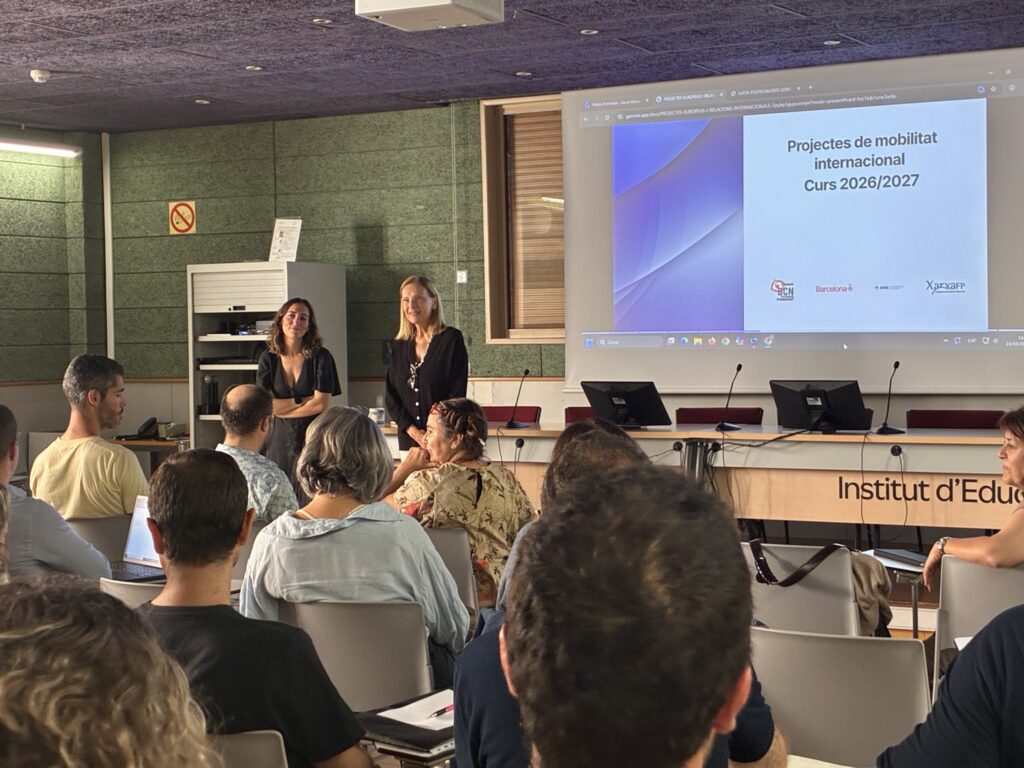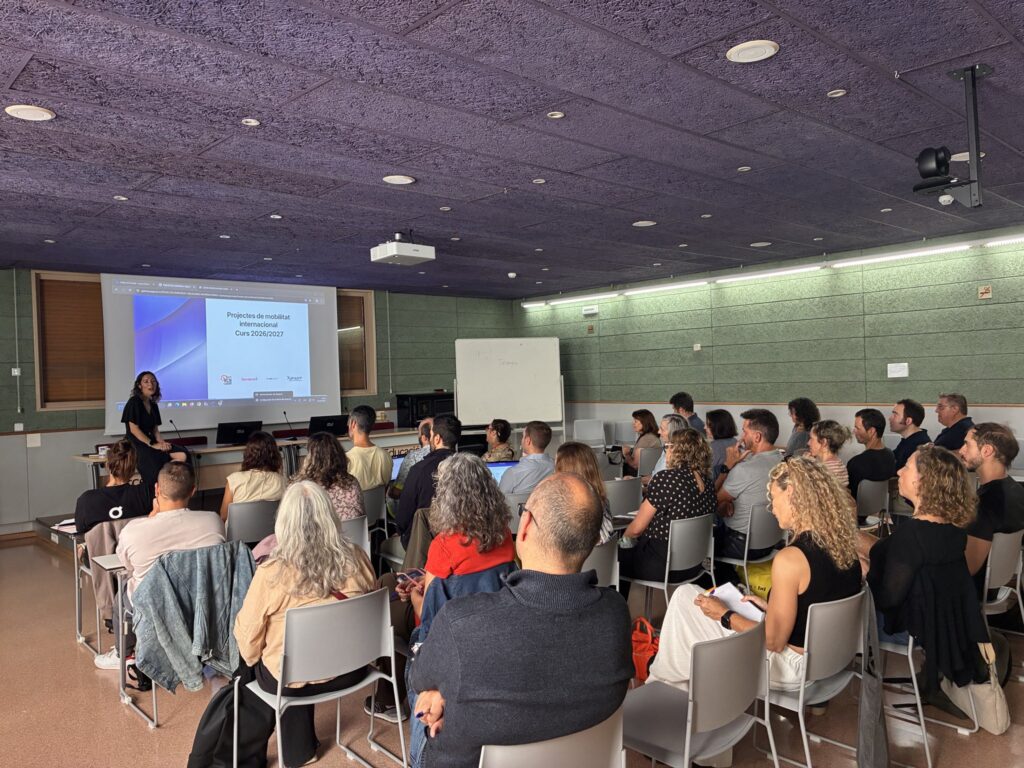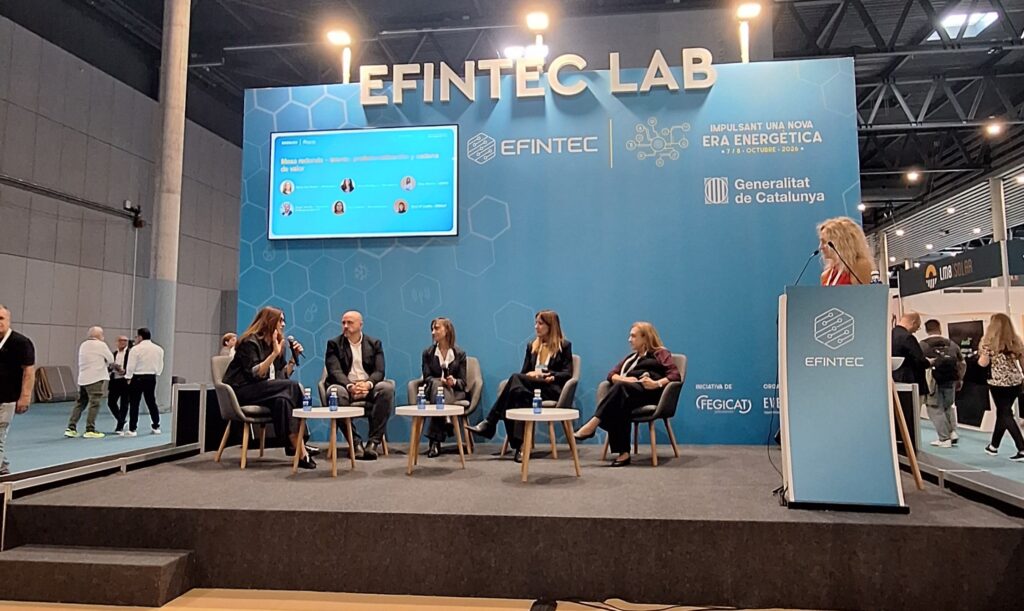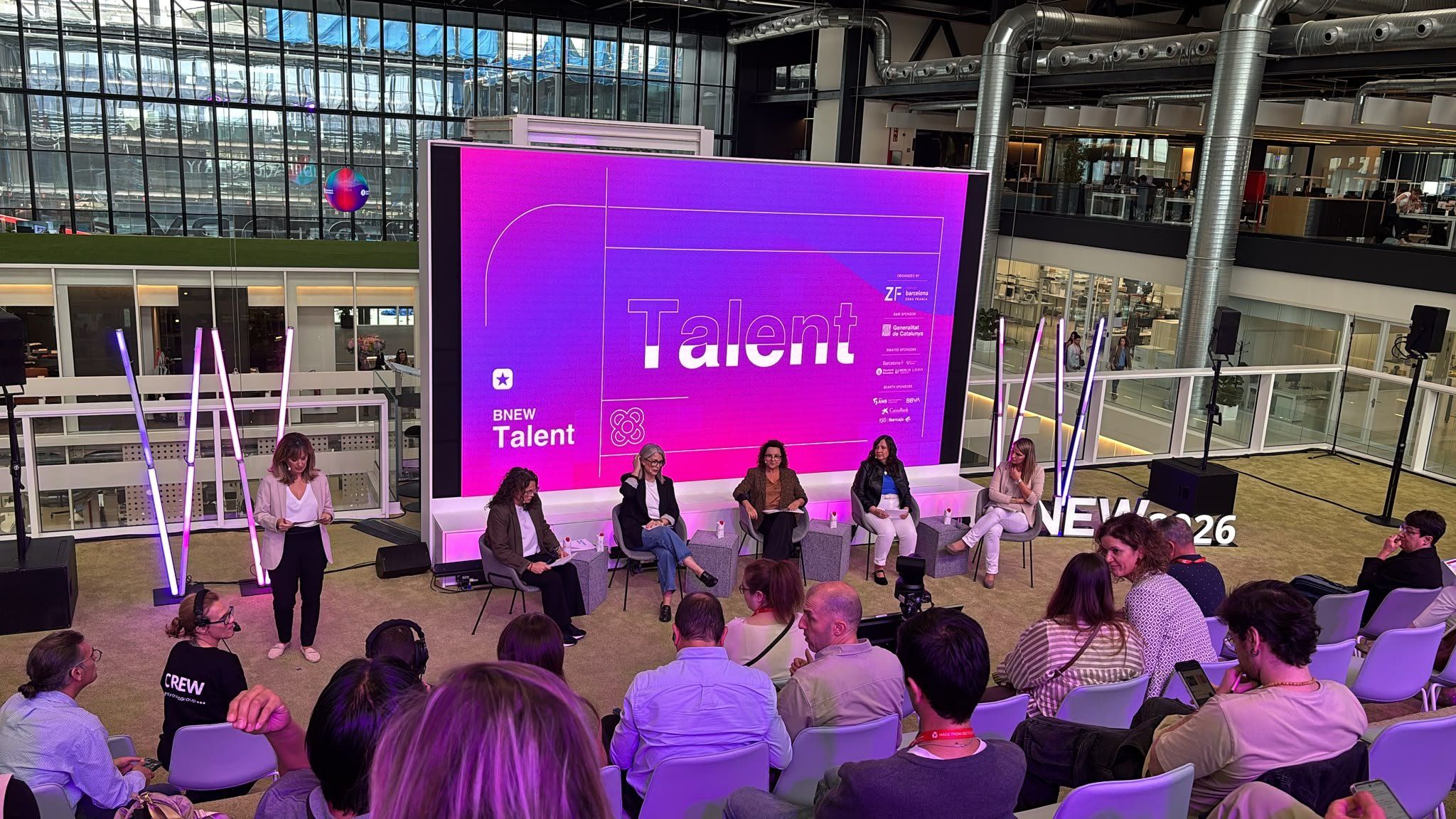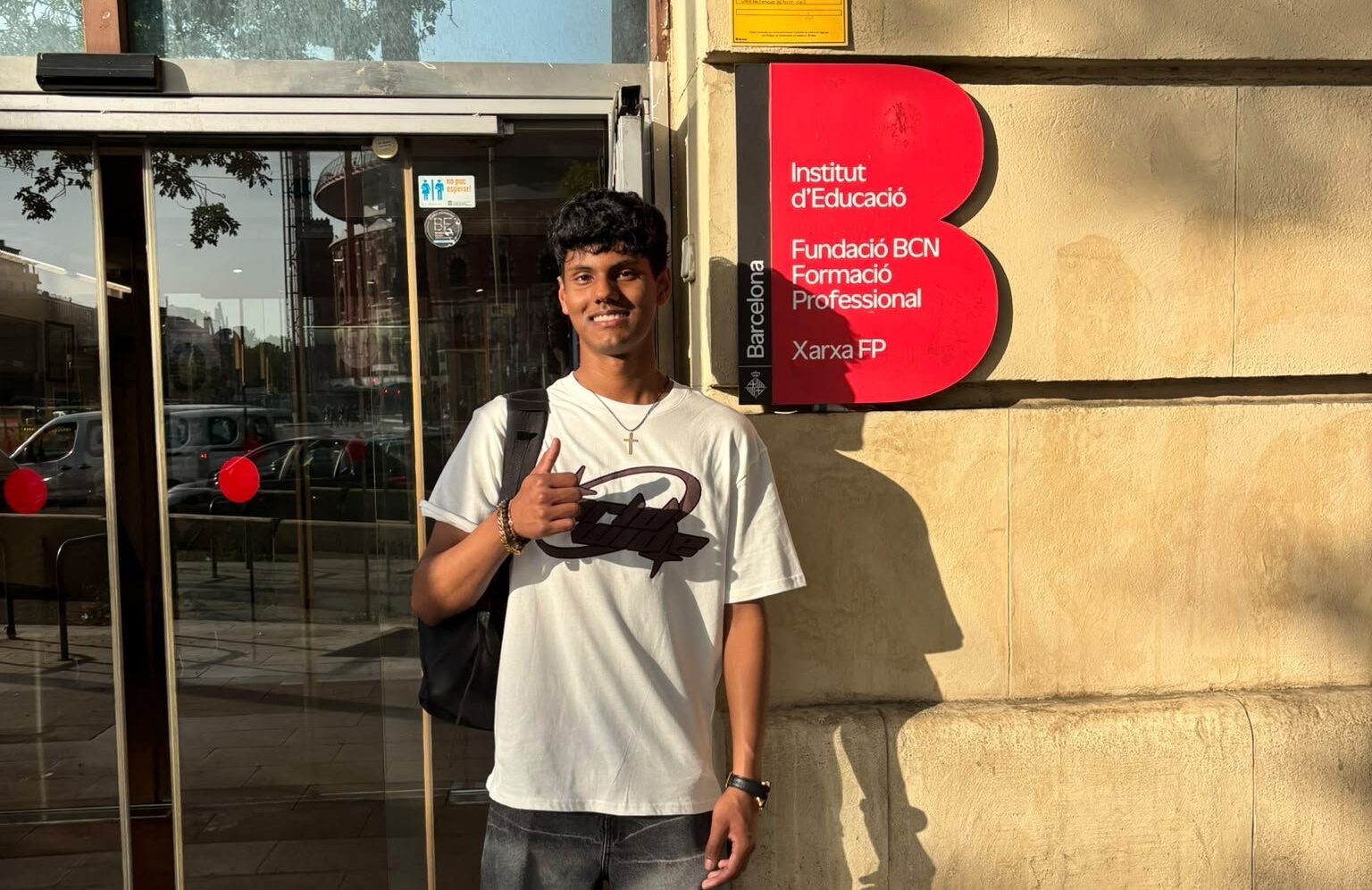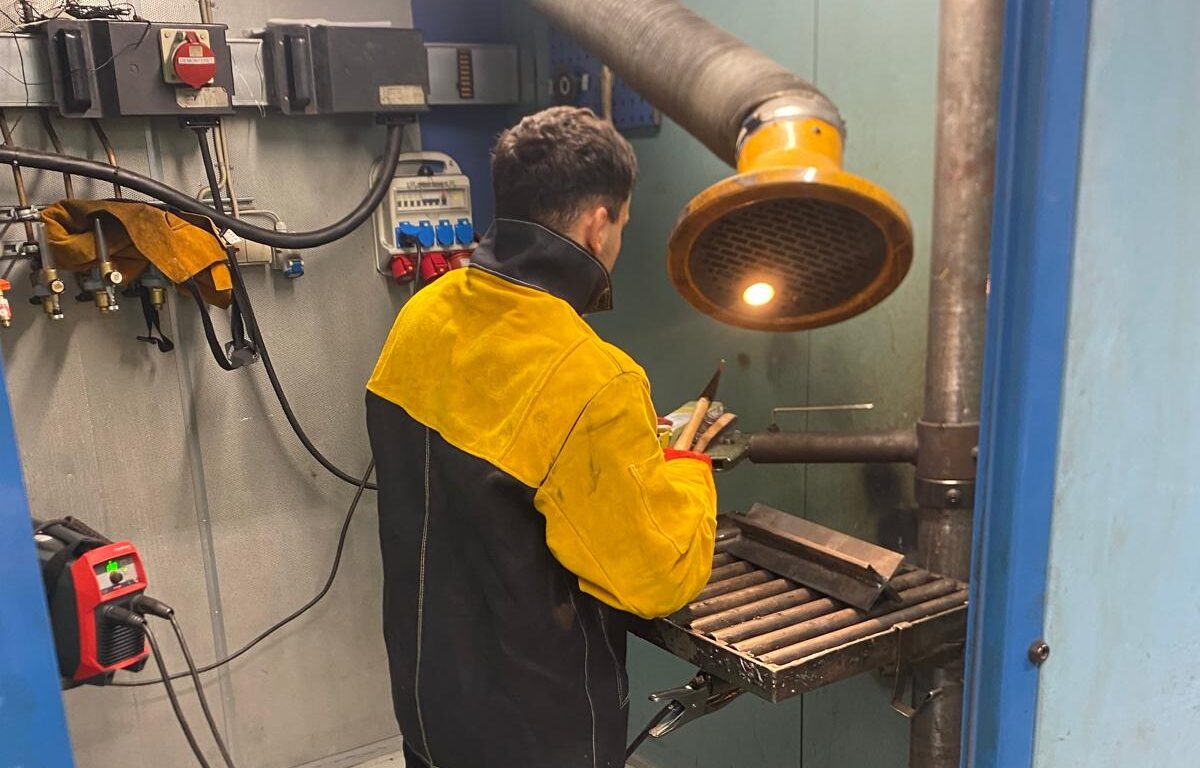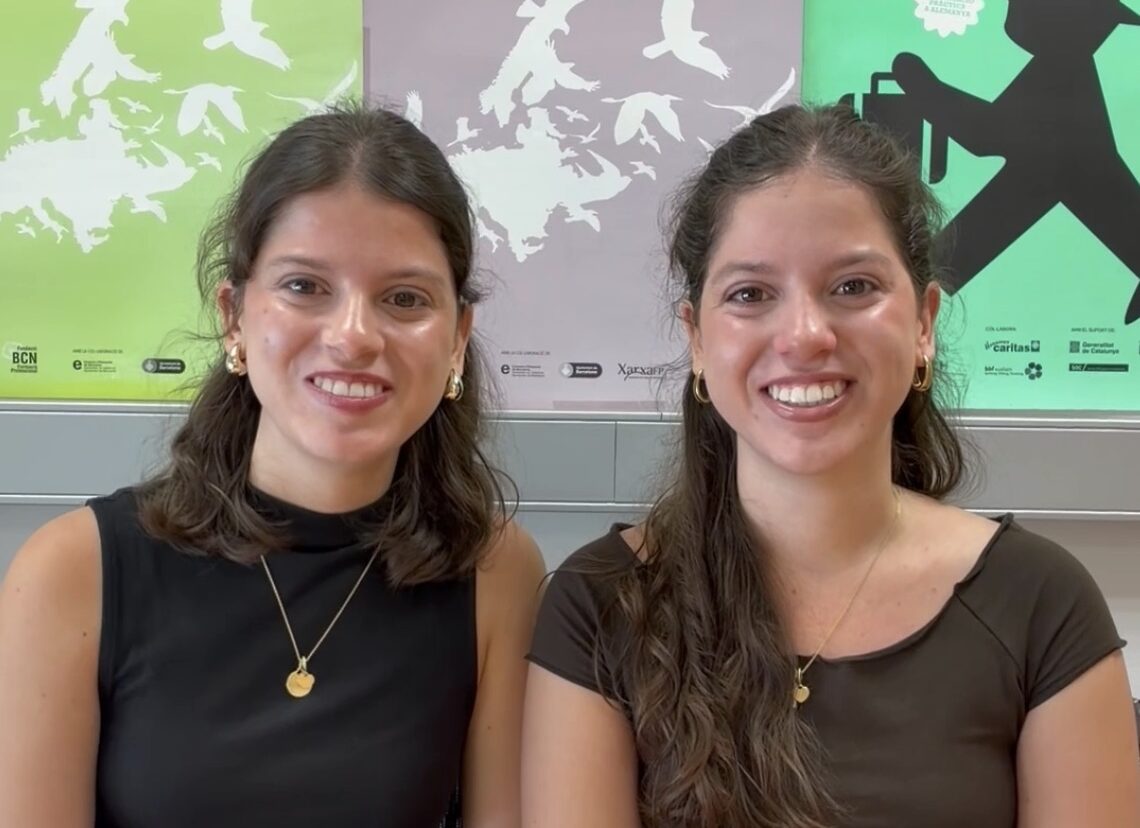
Last March, two groups of students from the Erasmus+ PFI project carried out a 10-day international mobility in France, specifically in the cities of Toulouse and Dijon. During this stay, students carried out professional internships related to their studies, while also participating in various cultural activities that allowed them to closely experience the social and cultural environment of both cities.
The mobility programme continues in the coming weeks. On Wednesday, April 29, a new group will begin their stay in Munich, and on Tuesday, May 5, the last group will travel to Vejle.
These international experiences represent a unique opportunity for students, as they significantly contribute to their educational, professional and personal development, while fostering autonomy, adaptability and intercultural competence.
From the BCN Vocational Training Foundation and the AMB, we continue to promote the Dual VET Accelerator, a project that already includes more than 50 companies that have simplified their access to young talent through this public and free platform.
This initiative, implemented by the BCN VET Foundation, streamlines student placement and helps you to:
Find the ideal profile according to the qualification you need.
Submit requests online quickly and without bureaucracy.
Reduce costs in the search for new apprentices.
Would you like to join? If your company is looking for talent, visit the platform and submit your request: Link to the Accelerator platform
This project is an initiative promoted by the Barcelona Metropolitan Area and implemented by the BCN Vocational Training Foundation, with the support of the Department of Education and Vocational Training and the collaboration of the municipalities of Castelldefels, Gavà, El Prat, Sant Boi and Viladecans.
During the month of April, the BCN Vocational Training Foundation welcomed 96 teachers from Munich (Germany), Rome (Italy), Treviso (Italy), Rovaniemi (Finland), Amsterdam (Netherlands), Tartu (Estonia) and Skellefteå (Sweden). Through an Erasmus training stay, the different groups of teachers were able to discover how vocational education and training is managed across the various centres and administrations in Barcelona, especially in the professional sectors of Sociocultural Services, Healthcare, and Hospitality and Tourism.
During their respective stays, the teachers were able to visit institutions such as the Barcelona Education Consortium (CEB), training centres in the healthcare field (such as the Hospital del Mar Vocational Training Institute or the Vall d’Hebron Health Institute), training centres in the sociocultural services field (such as Salvador Seguí Institute, Ferran Tallada Institute or ETP Xavier), centres in the gastronomy and hospitality field (such as the Barcelona School of Hospitality and Tourism or the Barcelona Institute of Gastronomy), centres in the administration and commerce field (Poblenou Institute), and training institutions such as the network of Municipal Nursery Schools.
This week, Leuven is hosting the so-called Creativity Session focused on educational innovation within the European project Build Your VETter Future Challenge. Over three days, participants work in groups on various activities aimed at developing educational spaces and creative methodologies, including guided visits and presentations related to the project. Attendees take part in practical workshops on designing educational spaces, supported by digital tools such as SketchUp, and further explore the creation and development of their own projects.
Cultural activities and specialized talks on educational design are also आयोजित, along with collaborative sessions between teachers and students. The event concludes with presentations of the developed projects, highlighting teamwork as well as monitoring and evaluation by the participating company Egoin Wood Group.
Within the International Measures Plan, we continue to move forward in our commitment to innovation and the internationalisation of Vocational Education and Training (VET). Today, we travel to Treviso to visit Fondazione Lepido Rocco, a leading institution in the field of VET in Italy.
This visit marks the beginning of the peer-to-peer sessions among participating centres—an exchange space that allows us to share methodologies, experiences and best practices across different specialisations. In doing so, we highlight the value of collaborative learning and the development of key competences, in line with the objectives of the VET innovation project.
We take part together with several educational centres involved in the project: Institut Les Salines, Institut Mare de Déu de la Mercè, Institut Torre Roja, Institut dels Aliments de Barcelona, IFP Antoni Algueró and Escola Deià.
Through this experience, we strengthen our goal of placing students at the centre of the learning process, encouraging their active participation and the development of both professional and personal competences. At the same time, we reinforce our centres as spaces for innovation, research and connection with the European environment.
With initiatives like this, we continue to create new educational opportunities and contribute to a more open, innovative and future-oriented Vocational Education and Training system.
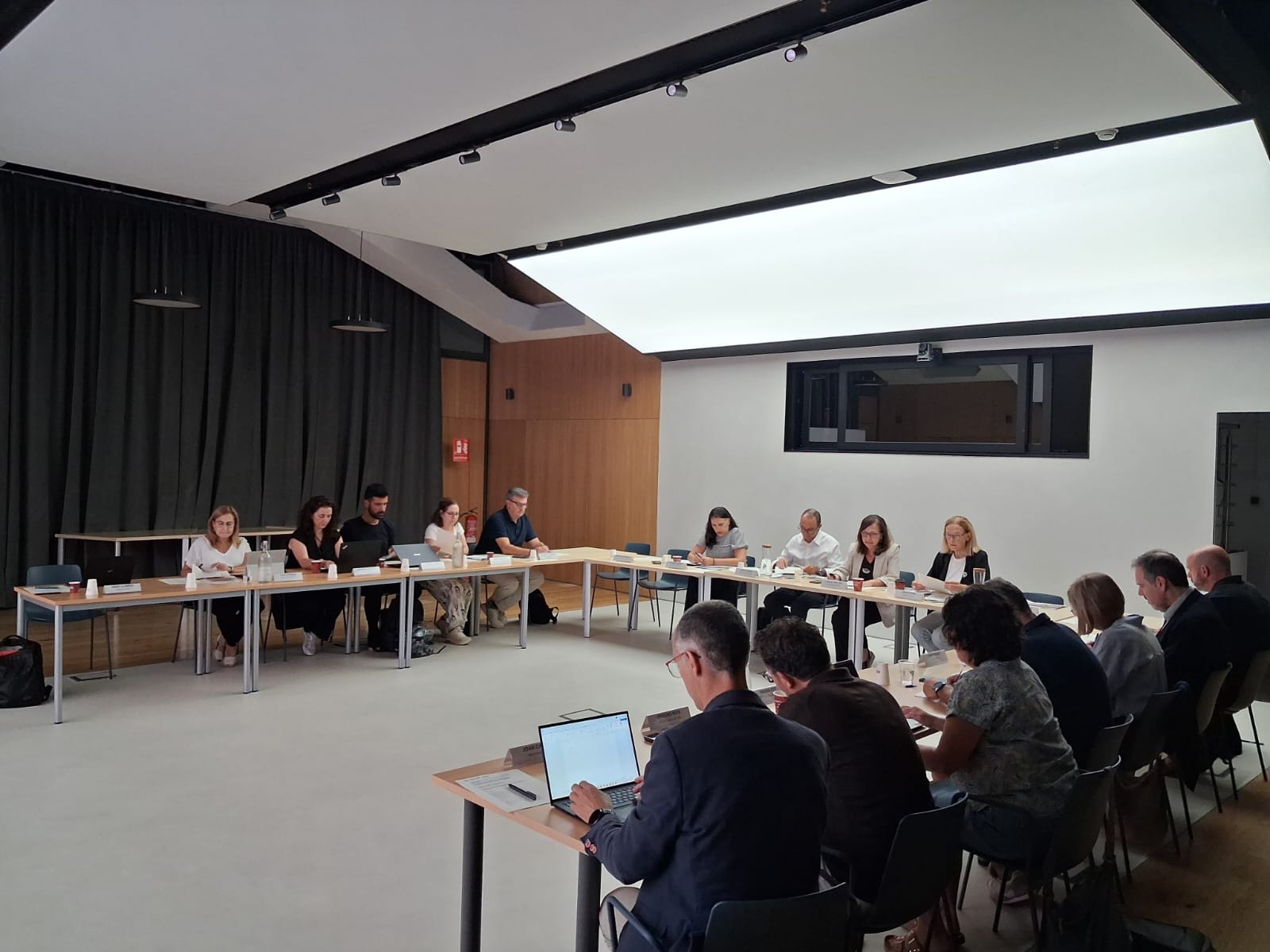
This morning, the AMB (Barcelona Metropolitan Area) headquarters hosted the conference “Talent and Road Passenger Transport.” During the event, a sectoral study focusing on vocational training was presented. The research was conducted by the Vocational Training Observatory of the BCN VET Foundation in collaboration with the AMB. Key participants included Ester Pujol, Director of Social and Economic Development at AMB, and Joan Maria Bigas, Director of Mobility, Transport, and Sustainability at AMB. The presentation was led by Javier Gracia, research investigator and technician at the FP Observatory, and Àngel Tarriño, coordinator of the Observatory, who also moderated a round table with industry representatives. The closing remarks were delivered by Francesc Roca, Secretary of Vocational Training for the Government of Catalonia.
Road passenger transport is an essential pillar for mobility in the Barcelona metropolitan area and a key tool for transforming the current model, fighting climate change, improving air quality, and reducing dependence on private vehicles. The study offers a comprehensive analysis of the current situation and future perspectives for the passenger transport and vehicle maintenance sector. It focuses specifically on professional profiles and training needs during a period marked by growing demand, labor shortages, and profound technological shifts.
The sector is moving toward greater digitalization, increased demand for driving, maintenance, and management roles, and the progressive implementation of zero-emission fleets.
Job Creation: Employment in the sector grew by 24.5% between 2013 and 2025, reaching 53,862 jobs.
Regional Concentration: Jobs located in the metropolitan area represent 74% of the provincial total.
Sector Breakdown: Long-distance and discretionary transport account for 43%, urban buses for 27%, and maintenance for 9%.
Drivers remain the most in-demand profile. According to FECAV (Federation of Passenger Transport), between 3,800 and 4,600 new professionals must be recruited in the Barcelona metropolitan area by 2030 to cover retirements and service expansions.
The European Union has noted that poor working conditions and entry barriers—such as the high cost of training—hinder talent attraction, warning that a lack of generational turnover puts operational continuity at risk.
Proposed Solutions for Training: Current vocational training for road vehicle driving is limited by the absence of the Class D license in the official curriculum. To increase efficiency, the study recommends:
Integrating license preparation directly into the degree.
Establishing agreements with the DGT to speed up exams.
Subsidizing the Class D license and the CPC (Certificate of Professional Competence).
Promoting public-private partnerships for driver training programs.
While the volume of mechanics and electromechanics needed is lower, these are strategic roles essential for maintaining industrial vehicles and transitioning to electric fleets.
Currently, there is a “perception gap”: students often view heavy-vehicle mechanics as low-tech, making it difficult to fill vacancies. Furthermore, existing training is largely oriented toward passenger cars rather than industrial machinery. The study suggests creating a specialized training itinerary that progresses from a basic degree in electromechanics to a higher degree specialized in buses, covering electronics, hydraulics, and alternative propulsion.
Ester Pujol highlighted that this research provides a realistic foundation for addressing talent challenges through public-private cooperation.
ⁱ From a demographic perspective, the extension of the management of the Intercity Bus Service to the municipalities of the AMB’s second crown means addressing the mobility needs of 3,353,878 residents, a 14% increase compared to the EMT territorial scope. Regarding mandatory mobility, this expansion implies a 16% increase in the population aged between 16 and 24, the age bracket corresponding to post-compulsory education, and an 11% increase in the number of jobs. The increase in demand for intercity buses strains the shortage of male and female drivers. In 2025, intercity bus services in Catalonia closed with record demand figures, rising from 82 to 90 million users, in a context marked by a sharp increase in the population residing outside Barcelona. Furthermore, a flow of commuter rail users has switched to the metropolitan bus fleet due to the sustained poor performance of the Rodalies rail service. This demographic pressure has led to a notable increase in the volume of trips, to the point where the sector expects to double the intercity bus fleets within a three-year horizon.
We traveled to IFEMA Madrid to actively participate in REBUILD 2026, the benchmark event for the industrialization, digitalization, and sustainability of the building sector.
From the BCN Vocational Training Foundation, on March 26 at 1:00 PM in the Saint-Gobain Theatre room, we moderated a key session for the future of the sector: “New training proposals”, featuring 13 speakers from leading institutions such as Escola del Treball de Barcelona, Institut Castellet, Institut Torre Vicens de Lleida, IES Vasco de la Zarza (Ávila), and the Integrated Construction VET Center of Bizkaia, among others.
The aim was to share, through dynamic elevator pitch-style presentations, some innovative projects from VET centers and to showcase how education in the construction field is being transformed through Virtual and Augmented Reality and BIM models.
In addition, this event becomes every year a meeting point for Building VET centers from across the country and a space for recognizing students through the ANDECE Awards, which this year honored students from Institut Provençana (L’Hospitalet de Llobregat) and Institut Torre Vicens de Lleida.
We continue to promote Vocational Education and Training to lead the technological transformation in the building and Construction 4.0 sector.
Having female role models in FP STEAM is essential to combat gender segregation and encourage careers in traditionally male-dominated sectors. These role models help students identify real and accessible career paths, strengthen confidence in their technical abilities, and break stereotypes about technological and innovative professions. They also contribute to creating more diverse, equitable, and labor-market-aligned educational and professional environments.
In this context, the Fundació BCN Formació Professional runs an initiative to highlight one female FP STEAM role model every month, aiming to recognize female talent and bring inspiring career paths closer to students.
The highlighted woman of the month is Naomi Rodríguez Sánchez, a young professional and activist protagonist in the technology field. Naomi actively participated in the Trobades amb joves protagonistes organized by Barcelona Activa, where she shared her personal and professional experience with over 100 young people interested in technology, artificial intelligence, chatbots, and programming.
Naomi’s career demonstrates the importance of combining technical education with real-world practice and networking experiences. Her participation as a young protagonist alongside active professionals in the technology sector offered the audience an inspiring and tangible view of professional opportunities in the STEAM field.
Beyond her technical training, Naomi’s involvement in events like this helps make female career paths in innovation visible—from automation and robotics to AI-driven and technological development—showing the capacity of young women to lead and excel in emerging tech areas.
Through initiatives like this, we reinforce our commitment to connect young talent with the technology sector, promote female participation in FP STEAM, and highlight stories that inspire and guide new generations toward the professions of the future.
The FPemprèn Awards continue to roll out the Pre-consolida program with the holding of the second and third sessions during the month of March, thus consolidating this training pathway aimed at strengthening the entrepreneurial competence of participating students.
On March 4, the second workshop took place at the Cercle d’Economia de Barcelona. This session focused on how to transform ideas into viable business models through the development of the marketing and sales plan, the operations plan, and the human resources plan, as well as an introduction to the financial plan. The workshop was delivered by Juan Álvarez de Lara, from Solvere Capital.
The third session of the program was held on March 25 at Citilab in Cornellà de Llobregat. This workshop focused on the development of the economic and financial plan of the projects using the POL (Online Business Plan) tool. During the session, key aspects such as revenue and expense forecasting, the income statement, cash flow planning, and financing needs were addressed. The training was delivered by Juan Álvarez de Lara, from Solvere Capital, and Ariadna Monerris, Entrepreneurship technician at Barcelona Activa.
With these two new sessions, the Pre-consolida program continues to offer a practical and collaborative space that allows participants to advance in the development of their business projects, with the support of expert professionals and specific tools for their viability and growth.
In recent weeks, Xarxa FP has carried out an intense international agenda, highlighting its key role in innovation and cooperation in vocational education and training across Europe.
On the one hand, Barcelona hosted the exploration session of the European project Build Your VETter Future Challenge, held from 24 to 26 February at Institut Provençana and El Convent of Barcelona Activa. Students and tutors from Denmark, Finland, Italy and Belgium took part in an intensive programme focused on sustainable construction and timber building. Following the project presentation and the challenge introduced by Egoin Wood Group, participants formed international teams to begin the exploration phase and define their project goals. The programme concluded with a visit to the Poblenou district, where participants explored initiatives related to urban innovation and sustainability.
At the same time, the ElectriCars VET Hub project, also coordinated by Xarxa FP, has progressed in developing and testing training content on electric mobility. After an initial meeting in Rovaniemi (Finland) in November 2025, the process continued with a meeting in Treviso from 10 to 13 March. During this session, teachers analysed the results of the pilot course on maintenance and repair of electric vehicles and defined improvements for its implementation. Activities included diagnostic simulations on a FIAT 500 electric vehicle and sessions on the Italian labour system in the automotive sector and the impact of electric mobility.
These initiatives take place within a context of growth and consolidation for Xarxa FP, as highlighted during the 27th General Assembly held on 5 March in Alcoy. The event gathered over 50 international representatives from the network’s 39 members and marked a record year in 2025, with 824 mobility experiences for students and staff. A new sustainable construction project funded by Erasmus+ was also presented, and two new member cities joined the network: Horsens (Denmark) and Agia Napa (Cyprus).
Overall, these actions reinforce Xarxa FP’s commitment to innovative, international and future-oriented vocational education aligned with Europe’s emerging challenges.
Posted on
Privacy Overview
This website uses cookies so that we can provide you with the best user experience possible. Cookie information is stored in your browser and performs functions such as recognising you when you return to our website and helping our team to understand which sections of the website you find most interesting and useful.
Strictly Necessary Cookies
Strictly Necessary Cookie should be enabled at all times so that we can save your preferences for cookie settings.
3rd Party Cookies
This website uses Google Analytics to collect anonymous information such as the number of visitors to the site, and the most popular pages.
Keeping this cookie enabled helps us to improve our website.
Please enable Strictly Necessary Cookies first so that we can save your preferences!